

When planning a residential project in Sydney, one of the first questions property owners ask is what type of development their land can support. Options such as granny flats, duplexes, dual occupancies, townhouses, and home extensions all come with different planning rules, approval pathways, costs, and long-term outcomes.
Understanding the differences between these residential building options is essential before committing to a design. Each option is assessed under NSW planning controls and local council requirements, which can significantly influence what is achievable on your site.
This guide explains the most common residential development options in Sydney and helps you understand which pathway may be best suited to your property.
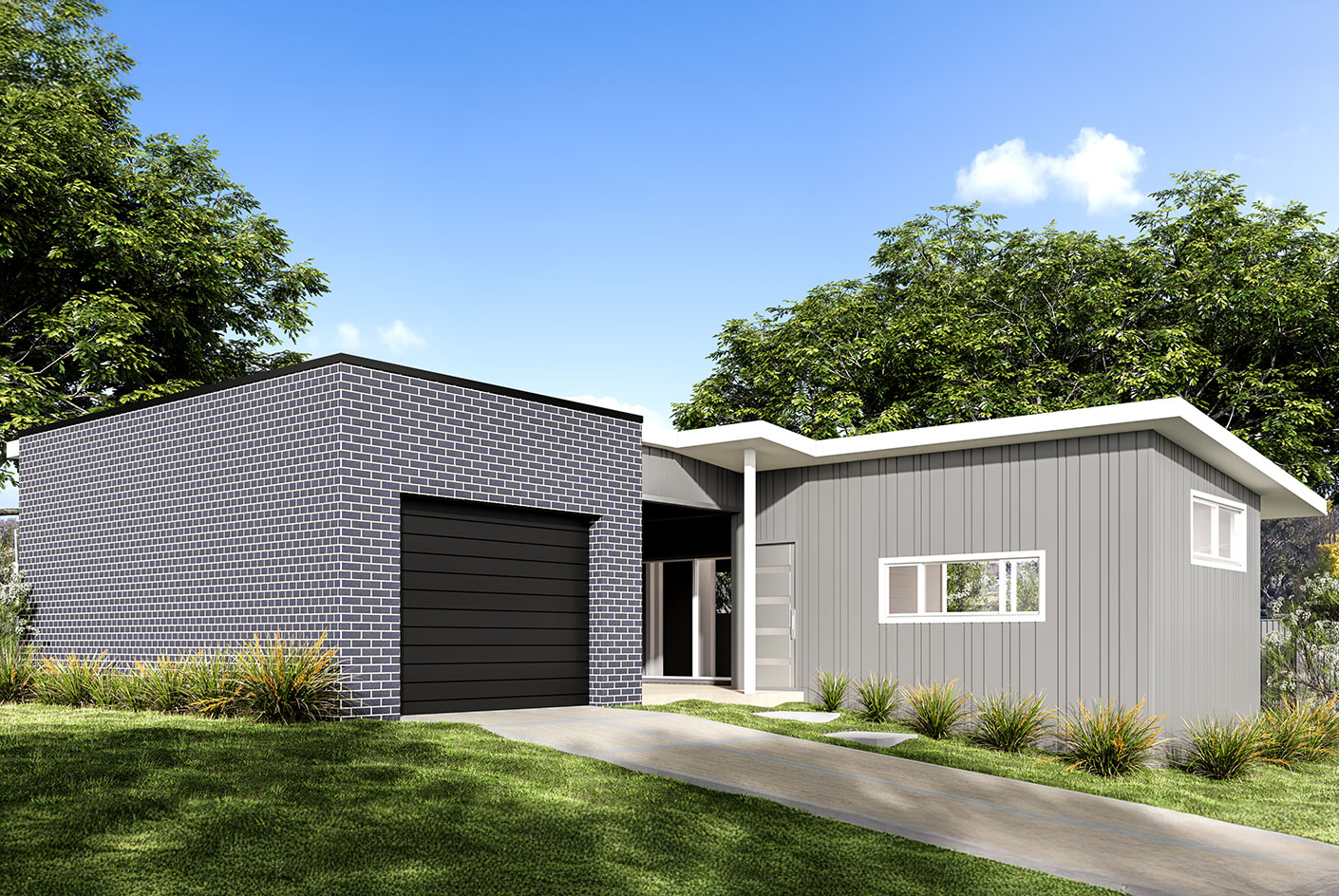
Granny Flats in Sydney
A granny flat, also known as a secondary dwelling, is a self-contained residence located on the same lot as a primary dwelling. Granny flats are one of the most popular residential additions in Sydney due to strong rental demand and relatively straightforward approval processes.
Granny flats are typically limited in size and must meet minimum lot requirements. They can be detached, attached, or created through conversion of an existing structure such as a garage.
Approval pathway
Most granny flats in Sydney are approved under a Complying Development Certificate, provided the site meets development standards and is not affected by planning constraints such as heritage controls, flood zoning, or bushfire risk.
When a granny flat is suitable
Granny flats are ideal for homeowners seeking rental income, multigenerational living arrangements, or a lower-cost development option with faster approvals.
Duplex Developments in Sydney
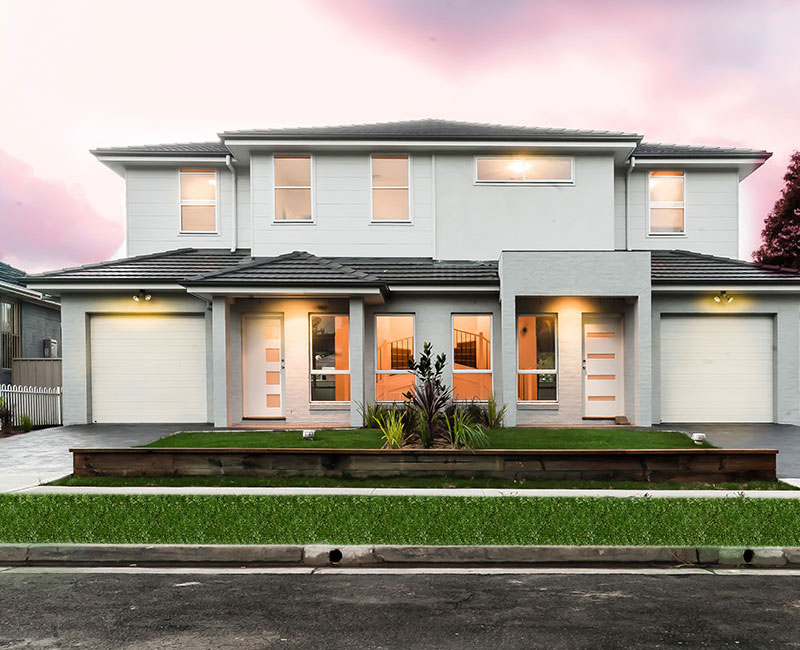
A duplex consists of two dwellings built side by side on a single lot, usually sharing a common wall. Duplexes are commonly subdivided into separate titles and are a popular development choice in many Sydney suburbs.
Duplex developments offer a higher land value outcome than a granny flat but require more careful planning and design due to increased scale and complexity.
Approval pathway
Duplex developments may be approved under a CDC if they comply with all development standards. If any standard is exceeded or the site has constraints, a Development Application is required.
When a duplex is suitable
Duplexes are best suited to larger sites that meet minimum lot width and zoning requirements and where owners are seeking to maximise development potential or resale value.
Dual Occupancy Developments
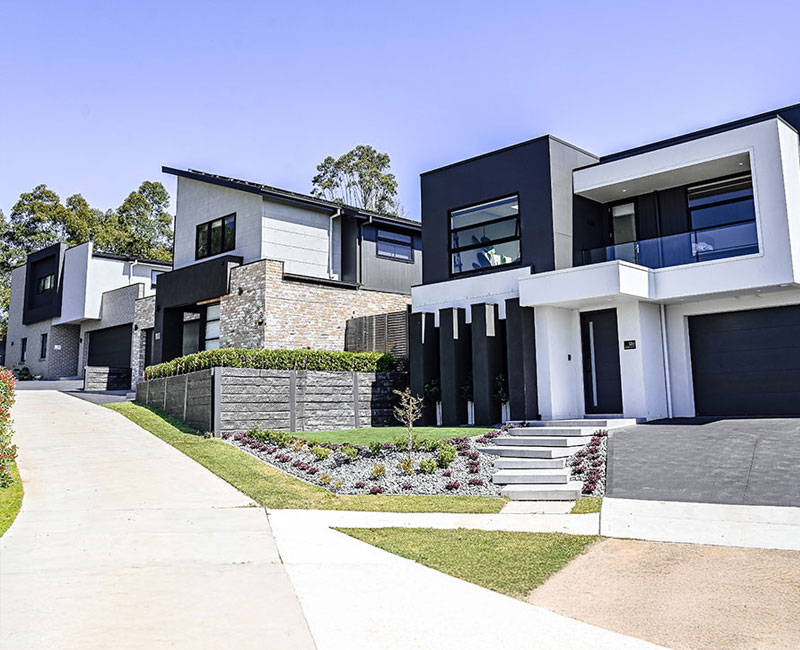
A dual occupancy refers broadly to two dwellings on one parcel of land. This category includes both attached and detached configurations and often overlaps with duplex developments, depending on council definitions.
Dual occupancy developments typically allow more design flexibility than granny flats but are subject to stricter planning assessment.
Approval pathway
Most dual occupancy developments in Sydney require a Development Application, particularly where subdivision, detached layouts, or planning variations are involved.
When dual occupancy is suitable
Dual occupancy projects suit properties with larger land areas or irregular shapes where design flexibility is required to respond to site conditions.
New Single Dwellings
A new single dwelling involves constructing one home on a vacant lot or replacing an existing dwelling. This option allows for a tailored design but is still subject to planning controls such as height limits, setbacks, and floor space ratios.
Approval pathway
New homes may be approved under a CDC if compliant or require a DA where planning controls are exceeded or site constraints exist.
Extensions and Alterations
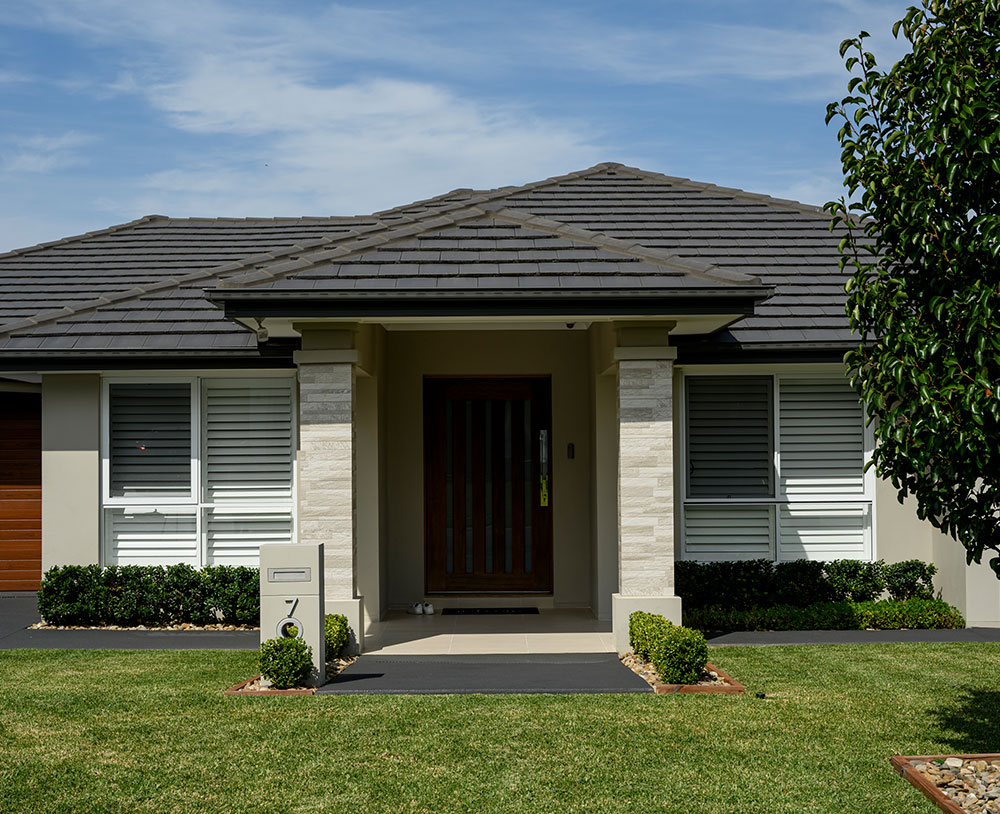
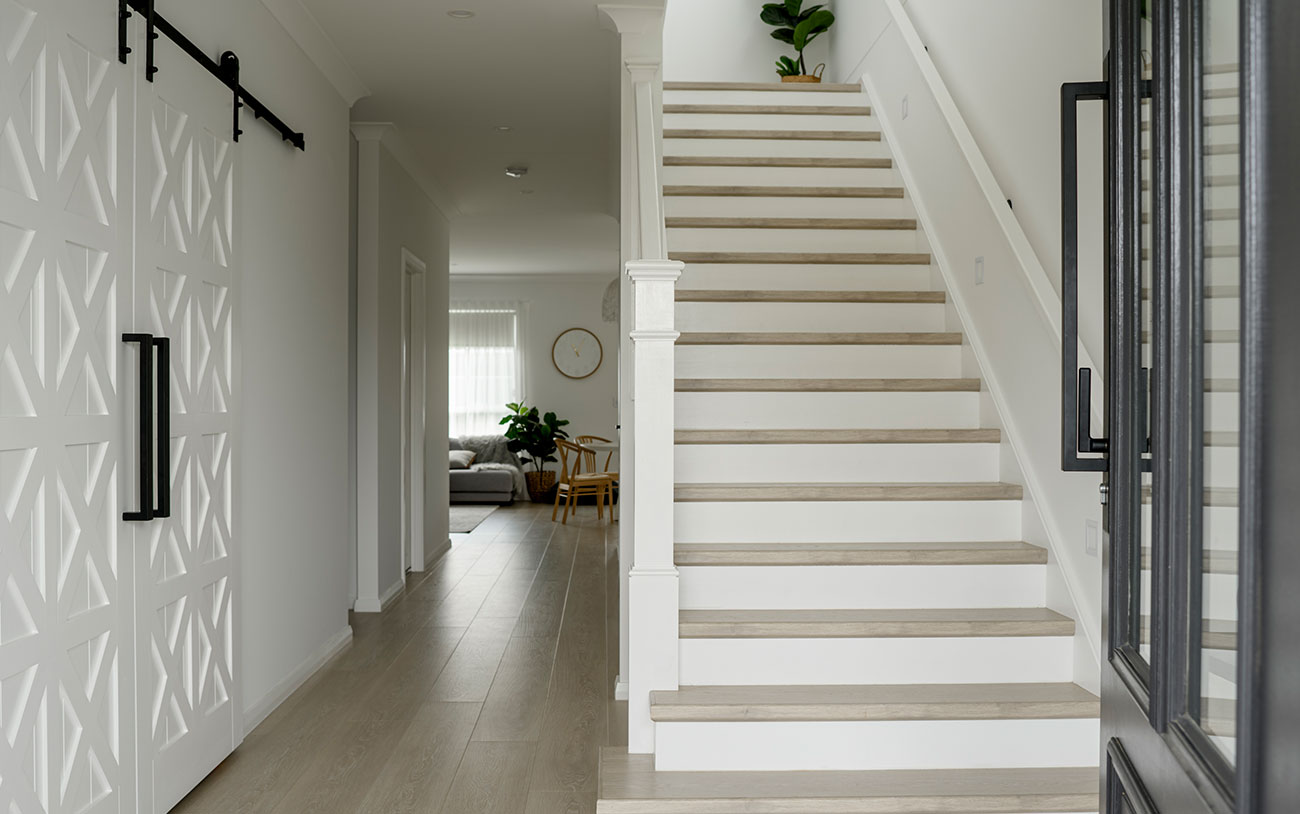
Many Sydney homeowners choose to extend or renovate their existing home rather than build an additional dwelling. Extensions may include ground floor additions, first floor additions, or internal reconfigurations.
Approval pathway
Smaller extensions may qualify for CDC approval, while larger or non-compliant additions require a DA.
Residential Building Options in Sydney: Comparison Table
| Building Type | Description | Typical Approval Path | Best Suited For | Key Planning Considerations |
| Granny Flat | Self-contained dwelling on same lot as main home | CDC in most cases | Rental income, family accommodation | Size limits, lot size, private open space |
| Duplex | Two attached dwellings on one lot | CDC or DA | Land value maximisation, resale | Lot width, zoning, subdivision |
| Dual Occupancy | Two dwellings on one lot, attached or detached | DA | Flexible layouts, larger sites | Council controls, parking, setbacks |
| Townhouses | Three or more dwellings on one site | DA | Higher density development | Zoning, traffic, communal space |
| New Dwelling | One home on a vacant or cleared lot | CDC or DA | Custom homes | Height, FSR, setbacks |
Choosing the Right Option for Your Site
The best residential building option depends on several factors, including zoning, lot size, council controls, site constraints, budget, and long-term goals. Two properties in the same suburb can have very different outcomes due to planning overlays such as heritage restrictions or flood risk.
Early assessment helps identify which options are feasible and which approval pathway offers the best balance between certainty and design quality.
Why Professional Planning Advice Matters
Each residential building type in Sydney is governed by specific NSW planning rules and local council controls. Attempting to proceed without early professional advice can result in delays, redesign costs, or unviable proposals.
Working with an experienced building design team ensures that planning feasibility is assessed before design begins and that the most appropriate approval pathway is selected from the outset.
Final Thoughts
Choosing between a granny flat, duplex, dual occupancy, townhouse, or extension is not just a design decision. It is a planning decision that affects approvals, construction costs, and long-term value.
Understanding what your land can support before committing to a project is the key to a successful outcome. Early planning advice and site assessment can save time, reduce risk, and unlock the full potential of your property.


