
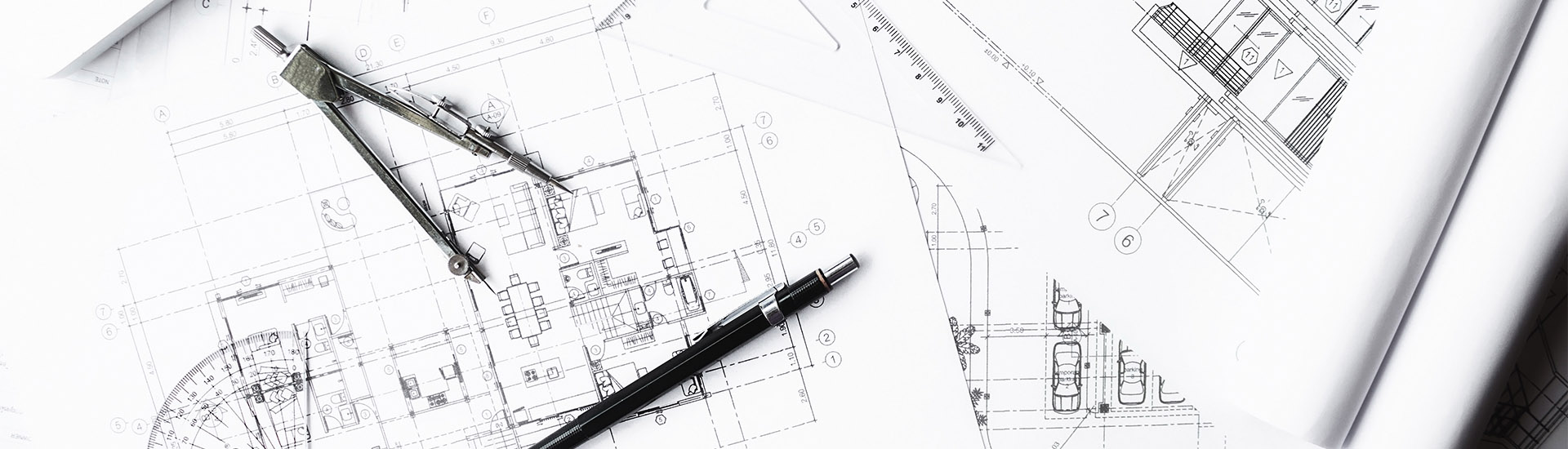
Architectural drawings are detailed technical documents that communicate the design intent of a building project. They serve as the primary reference for builders, engineers, certifiers, and contractors throughout the construction process. These drawings translate a concept into measurable, buildable information.
Architectural documentation typically includes house plans such as floor plans, elevations, sections, site plans, roof plans and construction details. Floor plans show the layout and spatial relationships within the building. Elevations illustrate the external appearance. Sections provide a cut-through view to explain structural and vertical relationships. Detailed drawings clarify how specific components such as staircases, joinery, waterproofing systems, or wall junctions are constructed.
Beyond aesthetics, architectural drawings must comply with the National Construction Code, local council requirements, and Australian Standards. They also incorporate structural coordination, energy efficiency provisions, accessibility requirements, and fire safety considerations.
Accurate documentation reduces ambiguity on site, minimises variations, and helps control project costs. Poorly prepared drawings often lead to delays, disputes, and budget overruns. For this reason, high-quality documentation is one of the most critical stages of a successful build.
In modern construction, drawings may be produced using CAD software or integrated into Building Information Modelling platforms, allowing better coordination between consultants. Regardless of format, architectural drawings form the foundation of every well-managed construction project.


