

When designing a home in Sydney, architectural style plays a major role in how a building looks, functions, and responds to its environment. While personal taste is important, the most successful homes are those that balance architectural style with site conditions, climate, and local planning controls.
Sydney’s residential architecture reflects a mix of traditional influences, modern design principles, and site-responsive solutions. This glossary explains the most common architectural styles used in Sydney homes, how they are typically applied, and what planning considerations may influence each style.
Contemporary Architecture
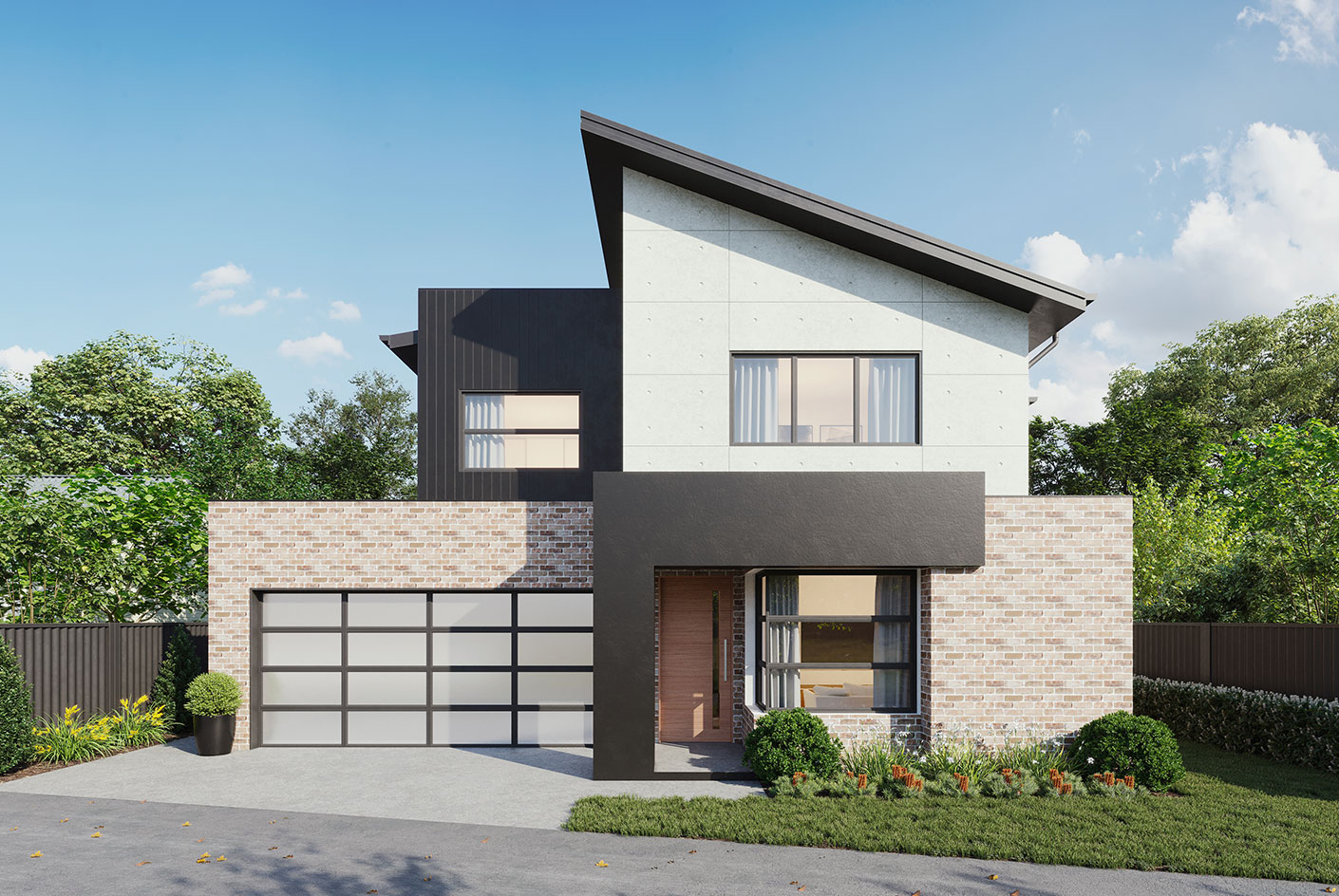
Contemporary architecture is one of the most common styles used in new Sydney homes. It reflects current design trends rather than a specific historical period and continues to evolve over time.
Key characteristics
- Open plan layouts
- Large windows and glazing
- Simple building forms
- Strong indoor to outdoor connection
Where it works best
Contemporary homes are well suited to new estates, knockdown rebuilds, and duplex developments across Sydney.
Planning considerations
Privacy, overshadowing, height limits, and streetscape compatibility are often key considerations for contemporary designs.
Modern Architecture
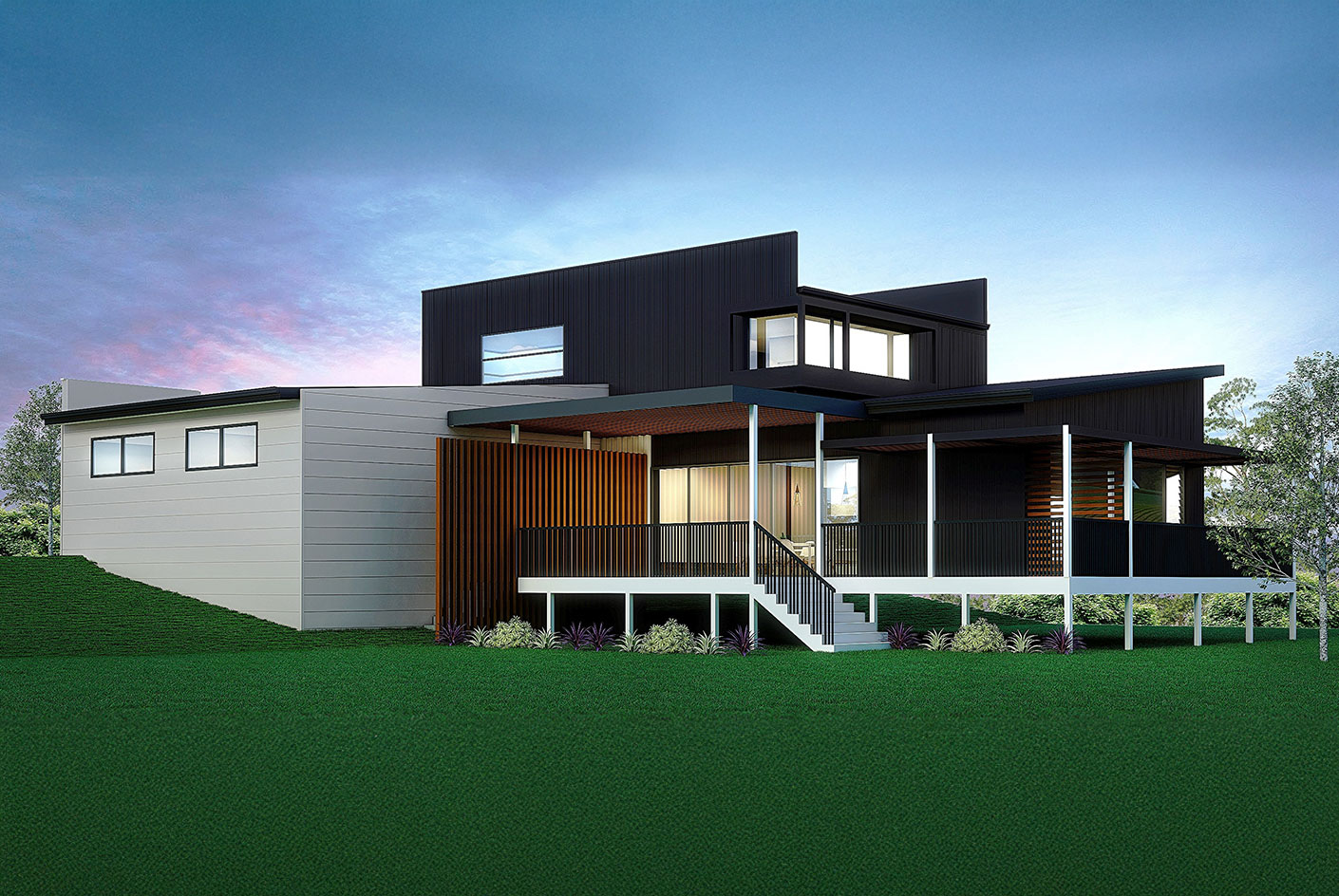
Modern architecture focuses on clean lines, minimal detailing, and functional design. While often confused with contemporary architecture, modern design follows a more defined aesthetic rooted in simplicity and structure.
Key characteristics
- Flat or skillion roofs
- Minimal ornamentation
- Neutral colour palettes
- Strong geometric forms
Where it works best
Modern architecture is commonly used in urban Sydney suburbs, narrow lots, and compact sites.
Planning considerations
Council controls relating to height, roof form, and neighbourhood character can influence modern designs.

Minimalist Architecture
Minimalist architecture prioritises simplicity, efficiency, and purposeful design. This style focuses on doing more with less and avoiding unnecessary elements.
Key characteristics
- Reduced material palette
- Clean interior spaces
- Efficient room layouts
- Emphasis on natural light
Where it works best
Minimalist design suits small lots, investment properties, and homeowners seeking a streamlined living environment.
Planning considerations
Floor space ratio, site coverage, and storage requirements are common factors that influence minimalist designs.
Coastal Architecture
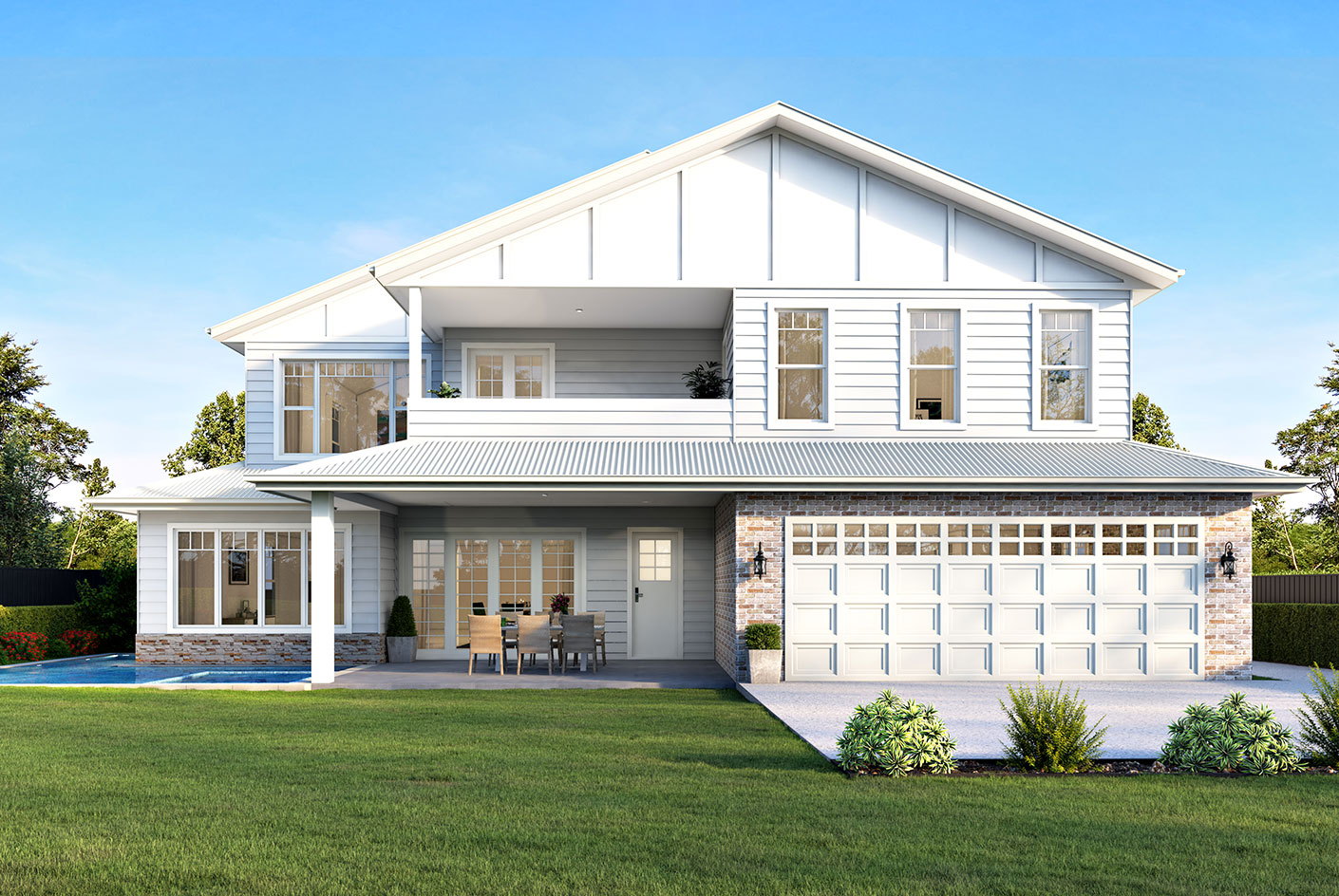
Coastal architecture is designed to respond to Sydney’s coastal climate and lifestyle. It is common in beachside suburbs and focuses on light, ventilation, and durability.
Key characteristics
- Light coloured materials
- Natural ventilation
- Shaded outdoor spaces
- Connection to landscape
Where it works best
Coastal architecture is well suited to Sydney’s eastern suburbs, Northern Beaches, and other coastal locations.
Planning considerations
Coastal setbacks, corrosion resistance, and environmental controls may affect design outcomes.

Traditional and Federation-Inspired Architecture
Traditional and Federation-inspired architecture draws from early Australian and European residential styles. These homes often reflect established neighbourhood character.
Key characteristics
- Pitched roofs
- Symmetrical facades
- Decorative detailing
- Verandahs and feature entries
Where it works best
Traditional styles are common in established Sydney suburbs and heritage conservation areas.
Planning considerations
Heritage controls, streetscape consistency, and Development Application requirements often apply.
Hamptons-Inspired Architecture
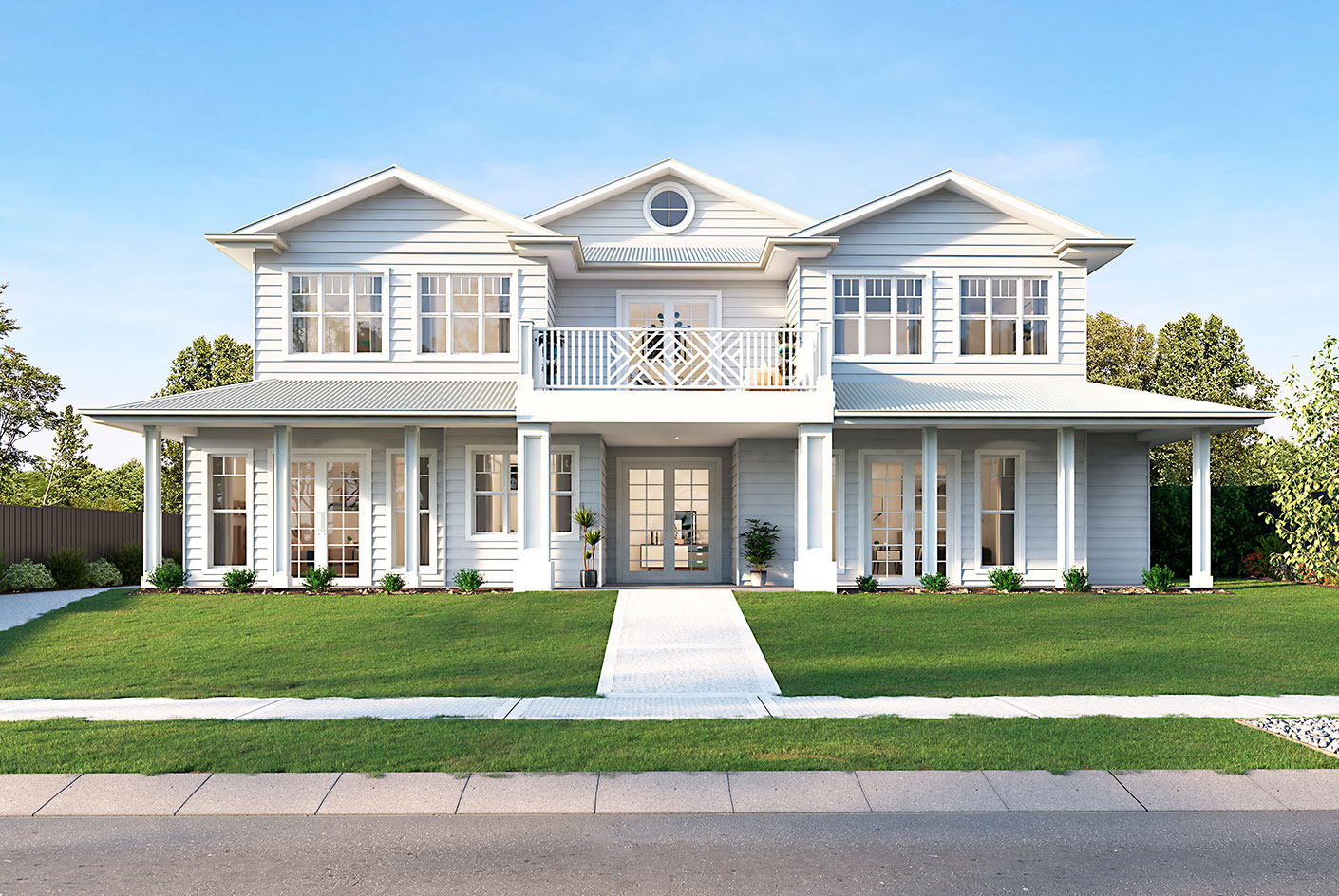
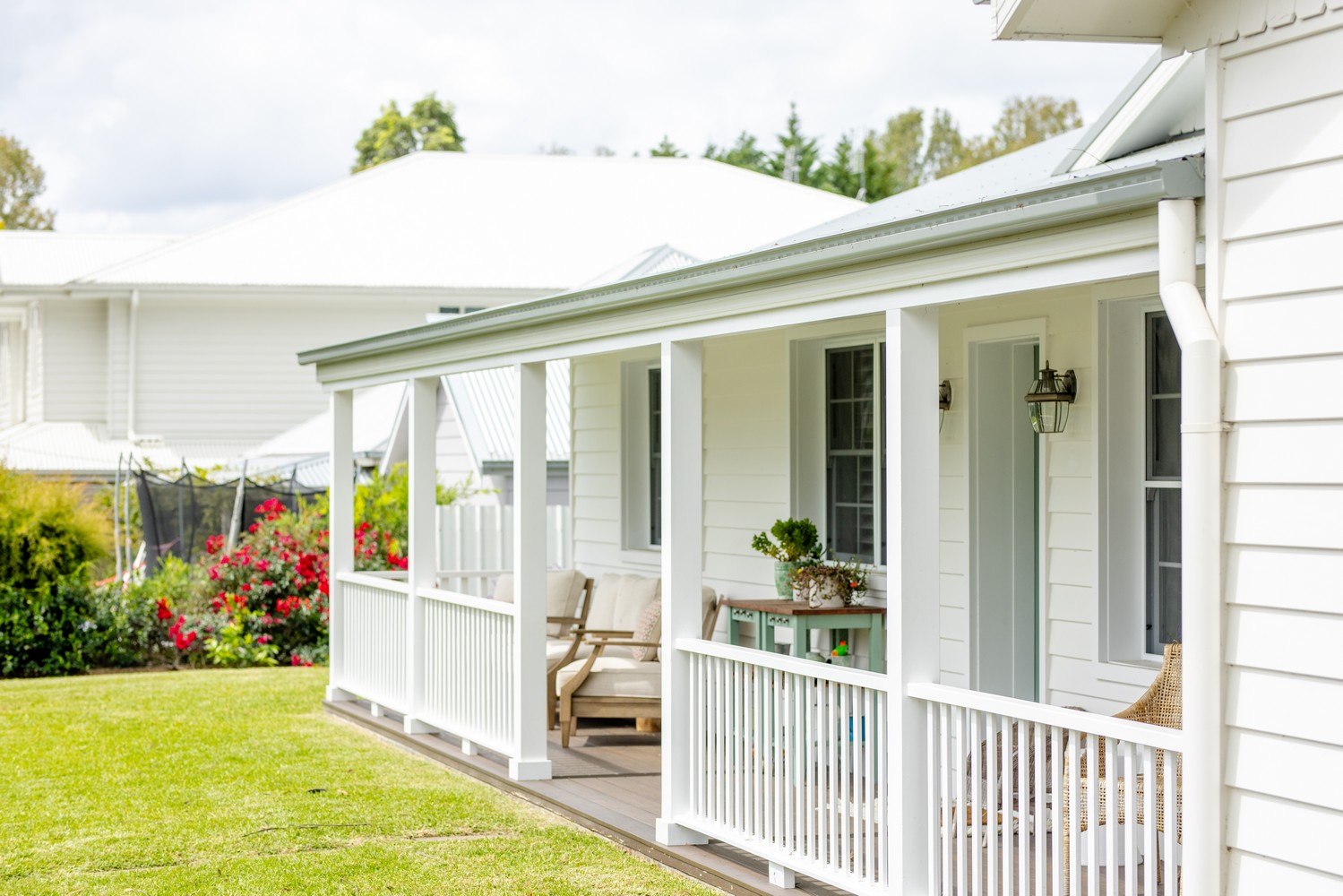
Hamptons architecture combines classic elegance with relaxed coastal influences. It has become increasingly popular in suburban Sydney.
Key characteristics
- Gabled roof forms
- Light neutral colour schemes
- Timber detailing
- Balanced proportions
Where it works best
Hamptons-inspired homes suit larger suburban blocks and prestige residential areas.
Planning considerations
Building bulk, roof height, and scale relative to neighbouring homes are important considerations.
Split-Level and Site-Responsive Architecture
Site-responsive architecture adapts the design to the land rather than reshaping the land to suit a standard design. Split-level homes are a common outcome of this approach.
Key characteristics
- Split floor levels
- Reduced excavation
- Custom layouts
- Strong relationship to site
Where it works best
This style is ideal for sloping or irregular blocks, which are common across many Sydney suburbs.
Planning considerations
Excavation limits, retaining walls, height transitions, and drainage must be carefully managed.
Industrial-Style Architecture
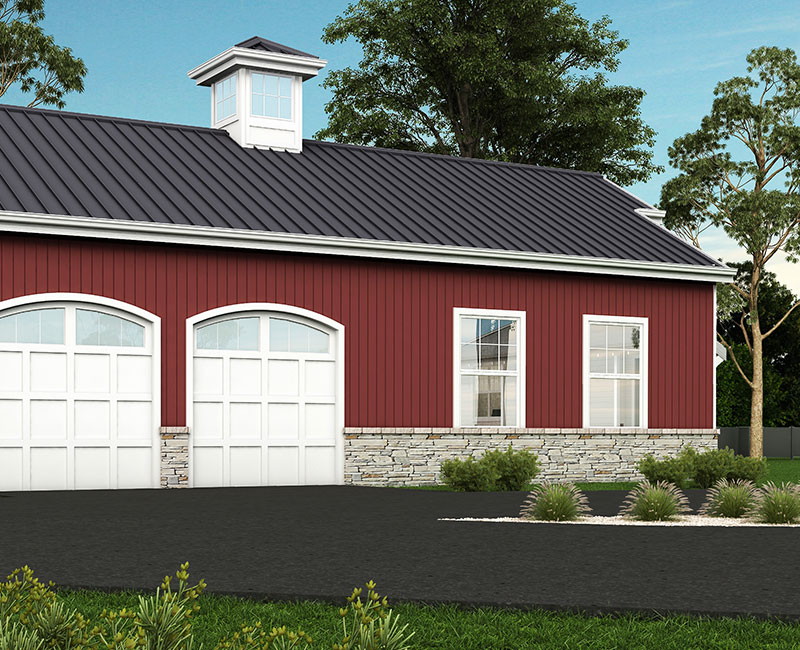
Industrial architecture takes inspiration from warehouses and utilitarian buildings, using raw materials and exposed elements.
Key characteristics
- Exposed concrete or brick
- Steel and metal detailing
- Open interior spaces
- Minimal finishes
Where it works best
Industrial styles are often used in inner-west Sydney and urban infill developments.
Planning considerations
Noise, privacy, and material compatibility with surrounding homes are key issues.
Common Architectural Styles in Sydney: Comparison Table
| Architectural Style | Best Suited For | Key Features | Planning Considerations |
| Contemporary | New homes, duplexes | Open layouts, glazing | Privacy, height |
| Modern | Knockdown rebuilds | Clean lines, flat roofs | Streetscape |
| Minimalist | Small lots | Efficient layouts | FSR, site coverage |
| Coastal | Beachside homes | Light materials, airflow | Setbacks, environment |
| Traditional | Established suburbs | Pitched roofs, symmetry | Heritage controls |
| Hamptons | Prestige homes | Gables, timber | Bulk and scale |
| Site-Responsive | Sloping blocks | Split levels | Excavation limits |
Choosing the Right Architectural Style for Your Site
The most suitable architectural style depends on more than appearance. Site conditions, orientation, council controls, and long-term usability all influence whether a style will succeed.
A design that works well on a flat suburban block may not be appropriate for a sloping site or a heritage-affected property. Understanding these factors early allows design decisions to align with planning requirements and lifestyle needs.
Why Architectural Guidance Matters
Professional architectural guidance helps translate design preferences into compliant and buildable homes. It ensures that architectural style enhances both the functionality of the home and its approval prospects.
Early design advice reduces the risk of redesigns, planning delays, and compromised outcomes.
Final Thoughts
Architectural style shapes how a home looks, feels, and performs over time. Understanding common architectural styles used in Sydney allows homeowners to make informed decisions that suit their site, budget, and lifestyle.
The most successful homes are those where architectural style responds to context while delivering comfortable, functional living spaces.


